
Summary Anti-insect bite devices quickly relieve itching and redness through simple mechanisms: localized heat, suction, or mechanical action. This guide explains how they work, their limitations, and how to integrate them into a pharmacy or private label product range.
Why use an insect bite device rather than a simple cream?
Mosquitoes, horseflies, fleas, jellyfish... insect stings and bites are among the most common sources of discomfort in the summer. Traditionally, creams or gels containing antihistamines, calamine, or mild corticosteroids are recommended.
THE insect bite devices bring another answer:
- without medication,
- often reusable,
- easy to carry,
- usable by the whole family (excluding specific contraindications).
For a pharmacy or a group of pharmacies, this is a comfort product which complements the seasonal offer well (mosquito repellents, after-bite treatments, travel kits), and which can be adapted into private label via a white label pharmaceutical manufacturer .
The Main Types of Devices for Preventing Insect Bites
There are several technologies, but they can be grouped into three main categories.
1. Heat devices (thermotherapy)
These are the most common ones found in pharmacies.
Principle:
The device applies a localized heat (usually around 45–50 °C) for a few seconds on the area where you were stung. This heat:
- alters the structure of certain substances injected by the insect (toxins, salivary proteins),
- helps reduce the histamine release locale,
- reduces the itching sensation.
In practice, the user places the tip on the bite, starts the program, and the device heats the area in a controlled manner.
2. Mechanical suction devices
These devices use a suction effect to try to extract some of the injected saliva or venom, right after the sting.
Principle:
- application of the tip to the injected area,
- creating a vacuum (manually or using a small piston-driven system),
- superficial aspiration aimed at reducing the local irritant load.
They are sometimes marketed as a “chemical-free” solution for parents who want to limit the use of topical treatments.
3. Simple mechanical devices (pen, special roll-on)
They aren't always electronic, but can be considered “devices”:
- micro-pressure pen,
- roll-on with a massaging ball,
- small plastic claws that mechanically stimulate the skin.
The goal is to divert or overload the nerve signal relief from itching caused by a different stimulus (pressure, massage, etc.), sometimes combined with a soothing formula.
Comparison Chart of the Main Types of Devices
| Device Type | Main Mechanism | Benefits | Limitations / Precautions |
|---|---|---|---|
| Heat (Thermal) Device | Localized heat 45–50 °C, a few seconds | Chemical-free, fast | Warmth sensation, not for everyone (very sensitive skin, young children depending on the model) |
| Suction device | Mechanical suction of the puncture site | Asset-free, simple concept | Variable effectiveness, to be used very quickly after the sting |
| Simple mechanical device | Pressure / massage of the area | Inexpensive, easy to use | Relief often partial, depends on the procedure |
| After-bite roll-on | Soothing formula + mild mechanical effect | Double action (formula + massage) | Presence of active ingredients, risk of intolerance depending on the composition |
How does a thermal device for insect bites actually work?
A closer look at the most widely used technology in pharmacies.
1. The heating nozzle
The device features a contact surface (often made of ceramic or metal) which:
- heats up quickly,
- remains stable for the programmed duration,
- is designed to limit the risk of burns when used correctly.
2. The temperature curve
Efficiency rests on a delicate balance:
- hot enough to denature certain irritating proteins,
- not too much to avoid damaging the skin.
This is why the application time is short (a few seconds) and sometimes adjustable depending on age or sensitivity.
3. The perception of pain
The brief heat stimulus can also:
- occupy pain receptors,
- “mask the itch by modifying the local perception.
Users often report:
- a clear yet bearable sensation of heat,
- a progressive relief of the itching after a few minutes.
Place of these devices in a pharmacy / group offering
For a pharmacy or a pharmacy group, anti-insect bite devices offer several benefits:
- seasonal product at high consulting potential,
- ideal complement to repellents, after-bite creams, travel kits,
- relevant support for a comfort device line private label.
In a product range approach, they can be combined with:
- of infrared thermometers,
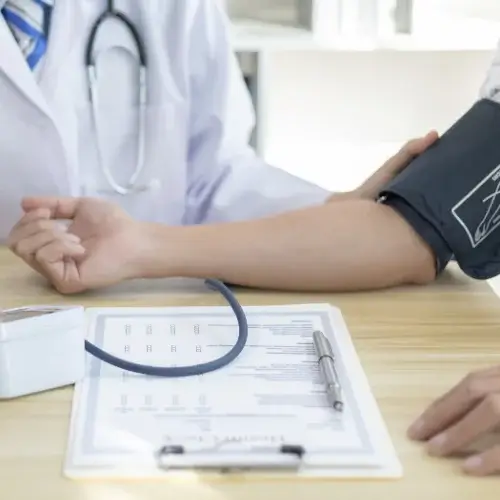
- of blood pressure monitors,
- of valved holding chambers,
within a broader range of health devices and accessories developed in white label.
What patients expect… and what they need to be told
In practice, patients want:
- A quick relief,
- a solution easy to use,
- something they can keep in a bag, a backpack, a holiday pouch.
Regarding pharmacy counseling, it is important to remind:
- What are these devices do not replace medical care in the event of a significant reaction (edema, respiratory distress, multiple stings, suspected severe allergy),
- that they are intended for minor stings, in people with no known history of severe allergies,
- that it is always necessary follow the manufacturer's instructions (contact time, frequency of use, contraindications).
Benefit for laboratories and groups: a white-label “signature” device
For a laboratory, a group, or a pharmacy network, integrating an insect bite device into its product range allows for:
- to strengthen the practical and innovative dimension of its summer / travel offer,
- to propose a product reusable, which carries the brand in the long term,
- to differentiate itself from simple assortments of after-bite creams.
Relying on a manufacturer accustomed to medical devices and pharma comfort products, like Smart Agents Healthcare (https://www.smartagents-healthcare.fr/), it becomes possible to:
- select a technology suited to the target (thermal, mechanical, hybrid),
- build a consistent packaging with the rest of the range,
- integrate the device into a broader offering of seasonal and first-aid products.
Conclusion
An insect bite device works by modifying the local reaction upon the sting (via heat, suction, or mechanical stimulation), which helps reduce itching and discomfort without systematically resorting to medication.
For pharmacies, laboratories, and groups, it is a smart supplement to the summer offer and a great opportunity to develop a white-label range of comfort devices, provided you choose an industrial partner capable of ensuring security, compliance, and product line consistency.